Regulatory Influences on Promotional Structures for Mobile Slot Experiences in Swiss Jurisdictions
Geschrieben von Olivia Walter · 4.10.2026
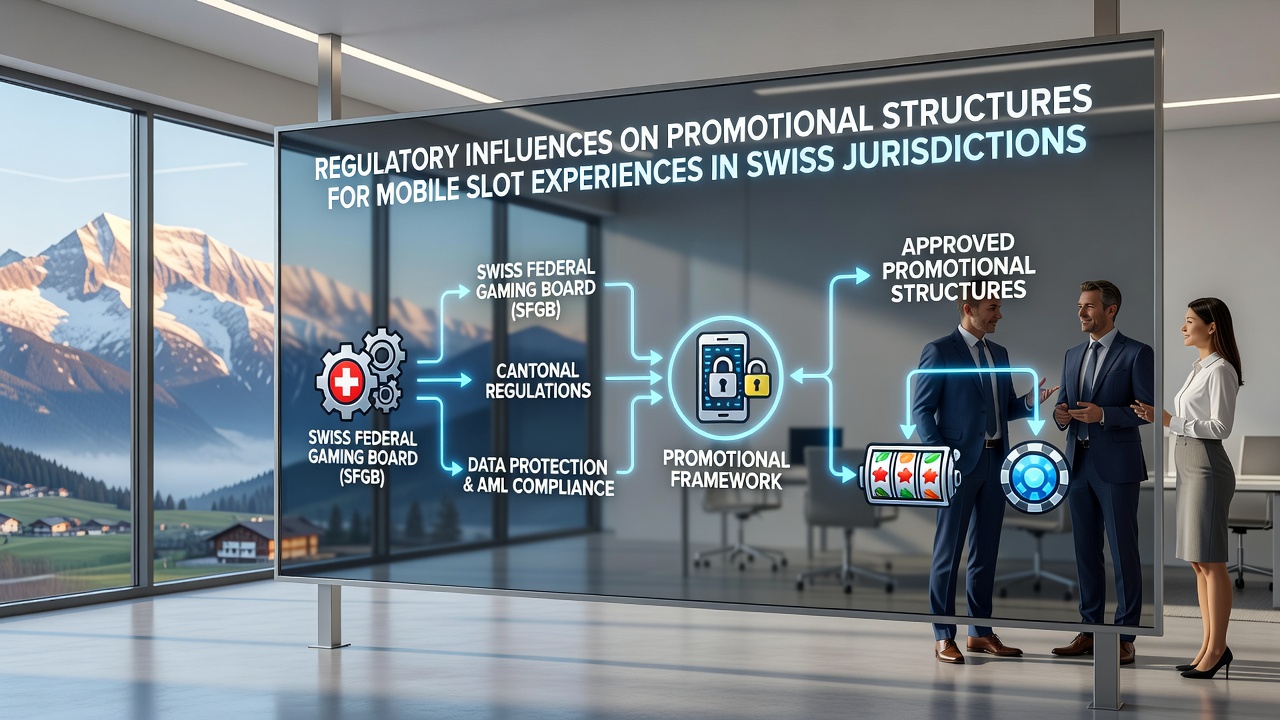
Regulatory Influences on Promotional Structures for Mobile Slot Experiences in Swiss Jurisdictions
Switzerland maintains a tightly controlled gambling environment where federal legislation shapes every aspect of promotional offerings for mobile slot experiences, and operators must align bonus structures with the Federal Act on Gambling and the associated ordinances that took full effect after 2019 legalization of online platforms. Data from the Eidgenössische Spielbankenkommission shows that promotional mechanics such as deposit matches, free spin allocations, and loyalty rewards undergo mandatory review to ensure transparency, player protection measures, and prevention of excessive inducements remain in place across all licensed mobile applications.
Those who track regulatory developments note that Swiss rules require clear disclosure of wagering requirements, maximum bet limits during bonus play, and expiration timelines before any promotional offer reaches users on smartphones or tablets. This framework stems from the need to balance commercial interests with public health objectives, and it applies uniformly whether the slot experience runs through a native app or a responsive browser interface. Observers note that violations trigger license reviews or financial penalties, which encourages providers to build compliance directly into their backend systems from the outset.
Key Federal Provisions Governing Bonus Design
The Federal Council and cantonal authorities share oversight responsibilities, and this division creates layered approval processes for any new promotional structure targeting mobile users. Operators submit detailed bonus rule sets that specify how funds convert, how progressive jackpot contributions interact with promotional credits, and how self-exclusion tools integrate with active offers. Research from the Swiss Institute of Comparative Law indicates that these submissions must demonstrate no targeting of vulnerable groups and must include automated age verification that blocks access before any bonus activation occurs.
October 2026 brought updated technical guidelines from the supervisory body that clarified mobile-specific display requirements, and these updates mandate larger font sizes for terms alongside simplified language summaries in both German and French. Providers who adjusted their interfaces ahead of the deadline reported smoother audits, while those lagging behind faced temporary suspension of promotional campaigns until corrections were verified.
Mobile-Specific Compliance Challenges and Solutions
Mobile slot platforms face additional scrutiny because session data, push notifications, and in-app messaging can amplify promotional reach compared with desktop environments. Regulations therefore require that bonus pop-ups include mandatory opt-in steps rather than automatic enrollment, and that players receive immediate access to remaining wagering progress through a single-tap menu. Industry reports compiled by the European Gaming and Betting Association highlight how Swiss operators have implemented real-time dashboards that sync across devices to maintain consistent rule application regardless of where a user switches platforms mid-session.
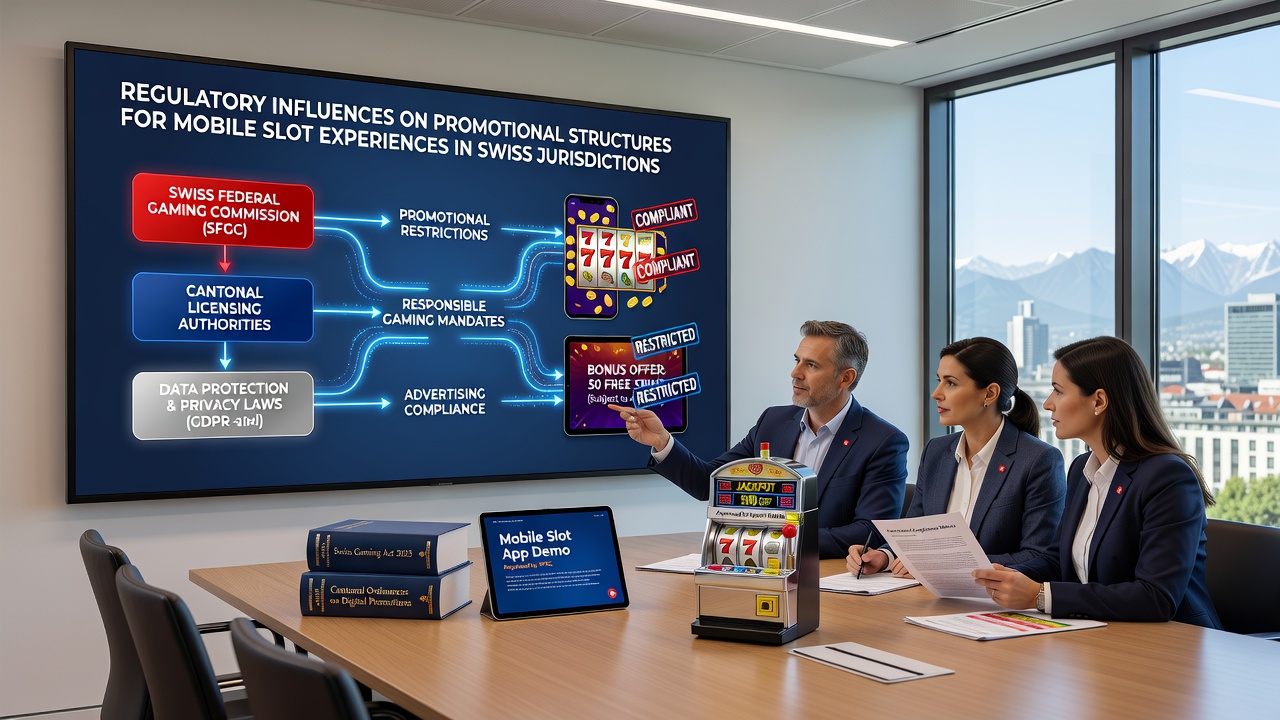
Take one developer who integrated geofencing technology that restricts bonus eligibility to verified Swiss IP addresses while also logging device type for audit trails. Such measures satisfy the requirement that promotions remain unavailable to players located outside licensed jurisdictions, and they simultaneously support the federal database that tracks aggregate bonus usage across the market. Figures reveal that compliance investments in these areas have reduced enforcement actions by measurable margins since the initial online licensing round concluded.
Impact on Progressive Jackpot and Loyalty Mechanics
Promotional structures tied to progressive jackpot contributions receive particular attention because Swiss rules cap the percentage of wagers that can derive from bonus funds in order to protect the integrity of pooled prize pools. Operators must separate bonus-generated stakes from cash wagers in their reporting systems, and monthly filings to the supervisory authority detail these breakdowns. Academic analyses from the University of St. Gallen demonstrate that this separation prevents artificial inflation of jackpot triggers while still allowing mobile players to enjoy standard promotional pathways that lead to major wins.
Loyalty programs face similar constraints, with point accrual rates and redemption values subject to pre-approval to avoid creating indirect deposit incentives that bypass wagering rules. Providers therefore design tiered systems that emphasize time-on-device metrics and responsible play indicators rather than pure spend volume, and they publish these criteria openly within the mobile application interface.
Conclusion
Regulatory influences continue to evolve in response to technological shifts in mobile delivery, yet the core principles of transparency, player safeguards, and jurisdictional control remain constant across Swiss slot promotions. Operators who embed these requirements into product architecture from the design stage encounter fewer barriers during licensing renewals and maintain smoother operational continuity. Data released through official channels in late 2026 underscores steady market growth under this framework, confirming that structured promotional offerings can coexist with strict oversight when compliance mechanisms operate effectively from the start.